top of page


Sepsis and Seniors
"Sepsis in Over-60s: Why?
Sepsis kills more people than breast, bowel and prostate cancer combined — and it's especially dangerous for adults over 60. In this short, we break down what sepsis actually is: your immune system overreacting to an infection, triggering widespread inflammation that can damage organs within hours.
Ways to Work with Us: Book a Class Australia https://www.survivortraining.com.au/,
Book a Class VietNam; https://survivalskills.vn/, https://www.tonycoffeymedic.org/
Connect online: / https://www.facebook.com/ParamedicTonyCoffey
Linkedin: https://www.linkedin.com/in/tony-coffey-79695b10a/
What topics would you like us to cover on this channel? Drop in comments below.
I'm Tony Coffey, a qualified Paramedic and First Aid Trainer with over 30 years of experience. As a grandparent or caregiver, you face unique challenges – and when an emergency strikes, you need clear, actionable steps that work under pressure. The aim is to keep it straight to the point and not overburdened with medical jargon, I have other places to bring that.
MEDICAL DISCLAIMER: The content and information shared on the Tony Coffey Paramedic channel are intended for general knowledge and educational purposes only. They do not constitute legal, medical, or other professional advice on any subject matter and are not intended to diagnose, treat, or cure any disease. It is always recommended to consult with your doctor or qualified healthcare provider, and to seek their guidance for any specific medical concerns or questions you may have. If you believe you have a medical problem or condition right now, please contact your healthcare provider for proper diagnosis and treatment.
#survivalskillsvietnam #survivortraining #surrflifesaving
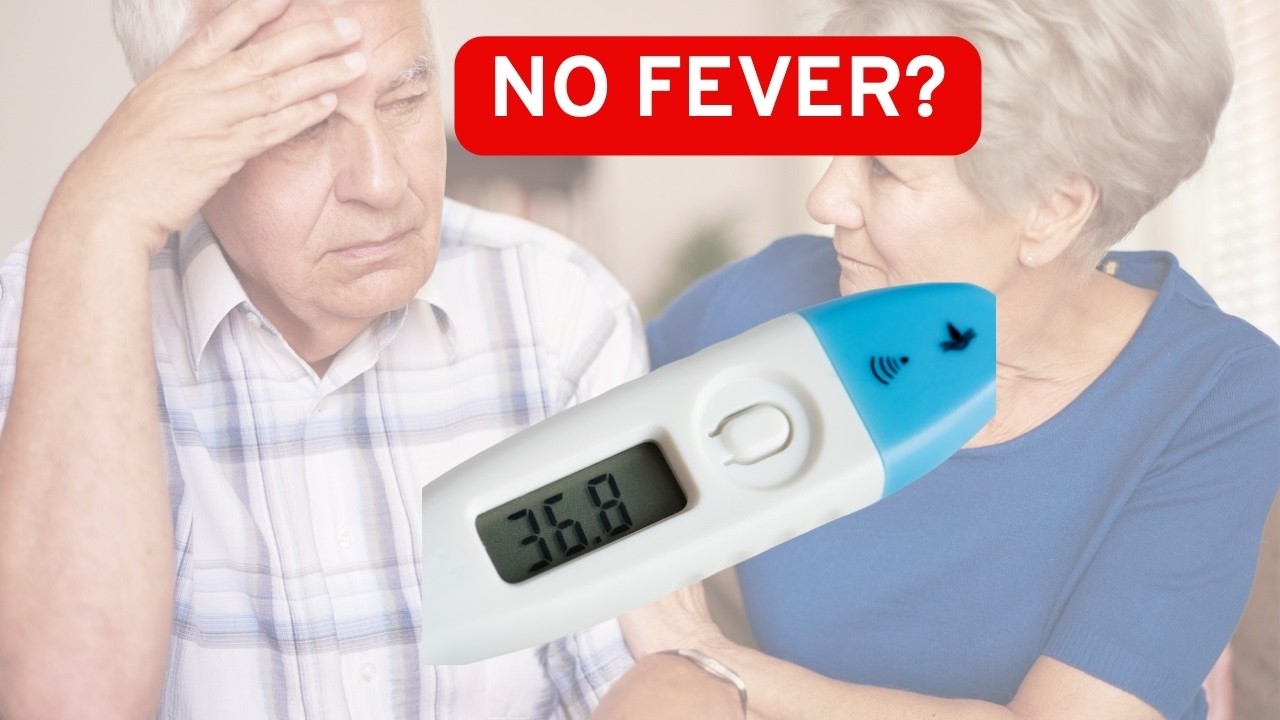
Sepsis The Infection That Kills in Hours
You check their temperature and it's completely normal. They’re safe, right? Wrong. If you are caring for someone over 60, trusting a thermometer could be a fatal mistake.
👇 Read more below to learn the hidden signs. 👇
Because older adults have weakening immune systems, they rarely spike a high fever when a severe infection (like a UTI or pneumonia) sets in. Instead, the symptoms masquerade as general tiredness, sudden confusion, or "just having a bad day." By the time caregivers realize how sick their loved one is, it’s often dangerously late.
In this video, I break down the 4 hidden signs of sepsis that every caregiver MUST know, why the "no fever" myth is so deadly, and the exact "magic words" you need to say to save your loved one's life.
⏱️ Video Chapters:
0:00 - Intro
0:32 - What is Sepsis & Why Seniors Are Vulnerable
1:29 - Hidden Sign #1: Sudden Confusion (Delirium)
2:08 - Hidden Sign #2: The "No Fever" Paradox (Shivering)
2:33 - Hidden Sign #3: Rapid Breathing While Resting
2:54 - Hidden Sign #4: A Sense of Impending Doom
3:17 - The "Key Words" to Tell medical staff
Frequently Asked Questions: Sepsis in Older Adults
Can you have sepsis without a fever?
Yes. In older adults, the immune system naturally weakens and often fails to produce a fever during a severe infection. In fact, an older adult with sepsis is more likely to have a normal temperature or a dangerously low body temperature (hypothermia) accompanied by severe shivering.
What are the first signs of sepsis in the elderly?
Because older adults rarely show classic infection signs like a high fever, the first signs of sepsis are often vague. The most common early warning signs include sudden confusion or delirium, rapid and shallow breathing while resting, shivering or feeling freezing cold, and a sudden onset of extreme pain or a sense of "impending doom."
Why does an infection or sepsis cause confusion in older adults?
Sepsis causes a dangerous drop in blood pressure, which starves the brain of oxygen-rich blood. Additionally, toxins from the infection can affect the brain directly. If an older adult suddenly exhibits slurred speech, acute delirium, or is incredibly difficult to wake up, it is a medical emergency, not just "getting older."
What are the most common causes of sepsis in seniors?
Sepsis is a toxic reaction to an existing infection. In the over-60 population, the most common trigger infections are Urinary Tract Infections (UTIs), respiratory infections like pneumonia, skin infections (such as cellulitis from a minor cut or scrape), and gastrointestinal infections.
How fast does sepsis progress?
Sepsis is a rapidly progressing medical emergency that can become fatal in a matter of hours. Medical studies show that for every single hour life-saving IV antibiotics are delayed, the patient's risk of death increases by up to 8%. You should never "wait and see" if you suspect sepsis.
What should I do if I suspect my loved one has sepsis?
You should call emergency services or go to the nearest emergency room immediately. When speaking to the dispatcher or the hospital triage nurse, explicitly use the phrase, "I am concerned it might be sepsis." Using the word "sepsis" triggers specific, rapid-response emergency protocols that will get your loved one treated much faster.
I'm Tony Coffey, a qualified Paramedic and First Aid Trainer with over 30 years of experience. As a grandparent or caregiver, you face unique challenges – and when an emergency strikes, you need clear, actionable steps that work under pressure. The aim is to keep it straight to the point and not overburdened with medical jargon, I have other places to bring that.
MEDICAL DISCLAIMER: The content and information shared on the Tony Coffey Paramedic channel are intended for general knowledge and educational purposes only. They do not constitute legal, medical, or other professional advice on any subject matter and are not intended to diagnose, treat, or cure any disease. It is always recommended to consult with your doctor or qualified healthcare provider, and to seek their guidance for any specific medical concerns or questions you may have. If you believe you have a medical problem or condition right now, please contact your healthcare provider for proper diagnosis and treatment.
#Sepsis #Caregiver #SeniorHealth #Paramedic #ElderCare #SepsisAwareness #HealthEducation
Ways to Work with Us: Book a Class Australia https://www.survivortraining.com.au/,
Book a Class VietNam; https://survivalskills.vn/, https://www.tonycoffeymedic.org/
Connect online: / https://www.facebook.com/ParamedicTonyCoffey
Linkedin: https://www.linkedin.com/in/tony-coffey-79695b10a/
What topics would you like us to cover on this channel? Drop in comments below.
#survivalskillsvietnam #survivortraining #surrflifesaving

TIA, Transit Ischemic Attack, mini stroke What to do now
⚠️ PARAMEDIC EXPLAINS: How to Spot a Mini Stroke (TIA) in Your Partner – Don't Ignore These Signs!
Full video here: https://youtu.be/uW623CszCx4
Could you recognise a mini stroke in your husband or wife before it's too late?
As an experienced Paramedic, I'm showing you the FAST warning signs of a Transient Ischaemic Attack (TIA) — and why acting within minutes could save your partner's life. A mini stroke is a major warning sign that a full stroke may follow. Knowing these signs could be the difference between recovery and permanent disability.
🎯 USE THE F.A.S.T. TEST: 🔴 F – Face: Has it drooped? Ask them to smile. 🔴 A – Arms: Can they raise both arms? 🔴 S – Speech: Is it slurred or confused? 🔴 T – Time: Call emergency services
IMMEDIATELY.
👀 OTHER SILENT WARNING SIGNS SENIORS MISS: • Sudden dizziness or loss of balance • Blurred or double vision • Numbness or weakness on one side • Severe headache with no cause • Sudden confusion or trouble understanding
⏱️ Symptoms may vanish in minutes — but a TIA is still a MEDICAL EMERGENCY. Never wait, never "sleep it off."
👉 SUBSCRIBE for more life-saving health tips for seniors and carers.
💬 Have you or a loved one experienced a TIA? Share in the comments — you might help someone else.
#ministroke #TIA #strokesigns #strokesymptoms #FASTtest #seniorhealth #strokeawareness #elderlycare #paramedic #paramedictips #healthyliving #seniorcitizens #caregiving #emergencyfirstaid #stroke #hearthealth #brainhealth #preventstroke #recognisestroke #actFAST
⚠️ MEDICAL DISCLAIMER: The content and information shared on the Tony Coffey Paramedic channel are intended for general knowledge and educational purposes only. They do not constitute legal, medical, or other professional advice on any subject matter and are not intended to diagnose, treat, or cure any disease. It is always recommended to consult with your doctor or qualified healthcare provider, and to seek their guidance for any specific medical concerns or questions you may have. If you believe you have a medical problem or condition right now, please contact your healthcare provider for proper diagnosis and treatment. #survivalskillsvietnam #survivortraining #surrflifesaving
TIA, Transit Ischemic Attack, mini stroke When to get help
⚠️ PARAMEDIC EXPLAINS: How to Spot a Mini Stroke (TIA) in Your Partner – Don't Ignore These Signs!
Full video here: https://youtu.be/uW623CszCx4
Could you recognise a mini stroke in your husband or wife before it's too late?
As an experienced Paramedic, I'm showing you the FAST warning signs of a Transient Ischaemic Attack (TIA) — and why acting within minutes could save your partner's life.
A mini stroke is a major warning sign that a full stroke may follow. Knowing these signs could be the difference between recovery and permanent disability.
🎯 USE THE F.A.S.T. TEST: 🔴 F – Face: Has it drooped? Ask them to smile. 🔴 A – Arms: Can they raise both arms? 🔴 S – Speech: Is it slurred or confused? 🔴 T – Time: Call emergency services IMMEDIATELY.
👀 OTHER SILENT WARNING SIGNS SENIORS MISS: • Sudden dizziness or loss of balance • Blurred or double vision • Numbness or weakness on one side • Severe headache with no cause • Sudden confusion or trouble understanding
⏱️ Symptoms may vanish in minutes — but a TIA is still a MEDICAL EMERGENCY. Never wait, never "sleep it off."
👉 SUBSCRIBE for more life-saving health tips for seniors and carers. 💬 Have you or a loved one experienced a TIA? Share in the comments — you might help someone else.
#ministroke #TIA #strokesigns #strokesymptoms #FASTtest #seniorhealth #strokeawareness #elderlycare #paramedic #paramedictips #healthyliving #seniorcitizens #caregiving #emergencyfirstaid #stroke #hearthealth #brainhealth #preventstroke #recognisestroke #actFAST
⚠️ MEDICAL DISCLAIMER: The content and information shared on the Tony Coffey Paramedic channel are intended for general knowledge and educational purposes only. They do not constitute legal, medical, or other professional advice on any subject matter and are not intended to diagnose, treat, or cure any disease. It is always recommended to consult with your doctor or qualified healthcare provider, and to seek their guidance for any specific medical concerns or questions you may have. If you believe you have a medical problem or condition right now, please contact your healthcare provider for proper diagnosis and treatment
.
#survivalskillsvietnam #survivortraining #surrflifesaving


Chúng tôi ở đây vì bạn


Hãy giữ an toàn và quan tâm lẫn nhau
bottom of page